Stories live loud here. Not just neon signs, but real talk pouring out on busy sidewalks and quiet meeting spaces alike. Come 2026, sharing them wide is not about fancy setups - it is hitting record and letting sound carry what matters. Through headphones, across distances, voices from this desert spark something next.
Podcasting in Las Vegas opens doors no matter who you are. For entrepreneurs aiming to share ideas, creators chasing personal projects, or brands hoping to reach people, the path feels clearer now than ever before. This guide walks through each piece, one at a time. The steps unfold naturally when you approach them without pressure, and every stage fits together even if it does not seem like it at first glance.
WHY LAS VEGAS IS A GREAT CITY FOR PODCASTERS
Sure, it is known for shows and neon lights. Yet behind the glitz, something else grows quietly. Creators land here more often than before, the city hums with meetings, and fresh faces pass through each week. Podcast studios built for voice work pop up blocks away from the casinos. Opportunity slips in between concert headliners and convention crowds. This place runs on attention - perfect ground for voices wanting to be heard.
Out here, folks show up from all kinds of jobs. Big names roll through thanks to CES, expos, conferences, and concerts dropping by regularly, which means there are always fresh faces around for chats. Because expenses stay way down compared to L.A. or NYC, filming or building projects hits easier on the wallet. A place like this keeps things moving without draining your savings fast.
STEP 1: CHOOSE YOUR NICHE AND FORMAT
Start by picking your podcast's topic before spending on gear. Pick an audience first - the shows that thrive have one in mind. Think hard about the subjects you care deeply about, because focus shifts once you know what excites you. Picture the person listening: what do they need? Format matters more than microphones. Try answering which style fits best - talking solo, chatting with guests, group talks, or stories with structure.
Whatever you hear about trending podcasts in Las Vegas - real estate, startups, shows about music or movies, local sports, what is cooking around town, or new gadgets - do not just copy them. Try something narrower instead. Zero in on one tight subject, then watch how the people who really care start sticking around. Focused topics build tighter bonds.
STEP 2: PLAN YOUR FIRST 5 EPISODES
Skip thinking about fifty episodes right away. Begin with just five. Map out what each one covers, think through who might join as guests, then sketch a loose flow for every show. Getting these early ones set before you record builds steady momentum and keeps empty gaps from showing up once you start sharing them.
Start by letting folks know who you are, right there in episode one. Share what the show is about without making promises - people stick around when something feels real, so give them a reason to pay attention that fits their life. Then jump into episodes two through five with stuff that helps straight away, each one answering an unspoken question. That quiet moment when someone decides to hit follow comes from usefulness.
STEP 3: CHOOSE YOUR EQUIPMENT SETUP
You have two paths: set up at home or rent an outside space. Starting small might mean just a USB mic, some headphones, and open-source software, which could run between $200 and $500. The sound may lack depth, the visuals might feel flat, and the results often look amateurish. Space matters less when your tools shape what comes through.
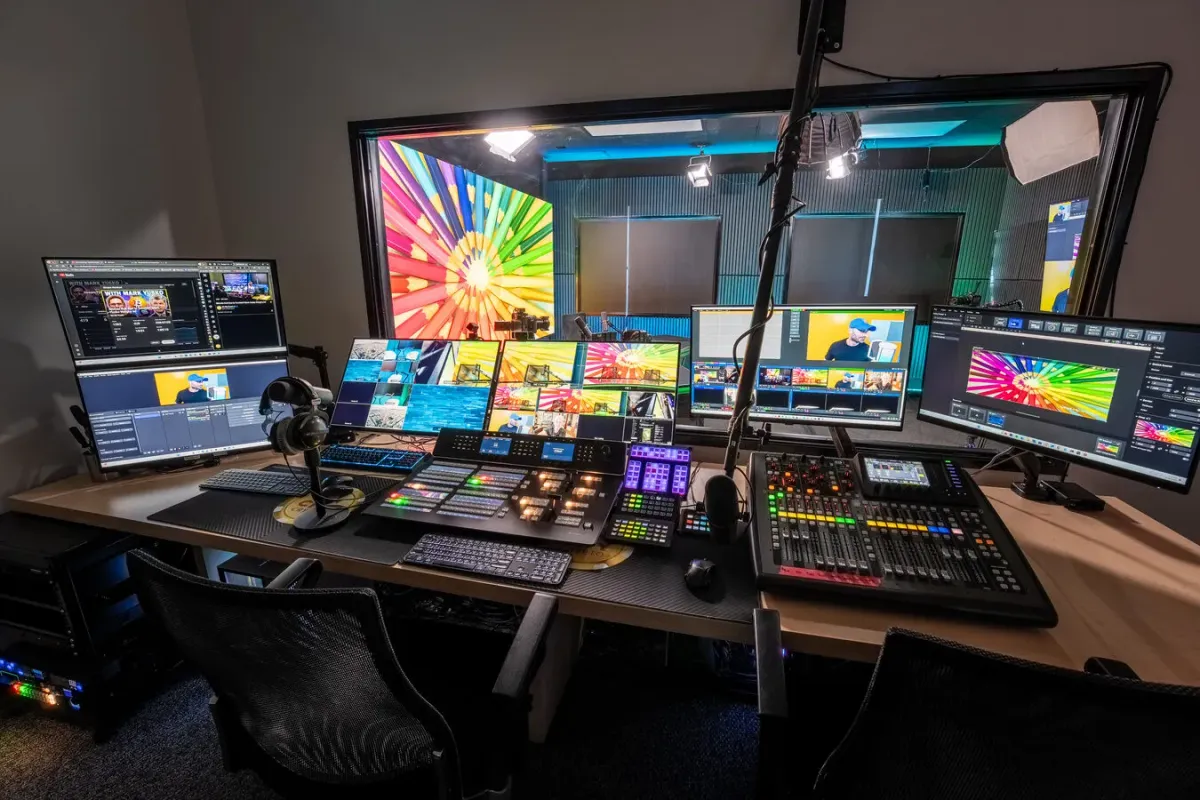
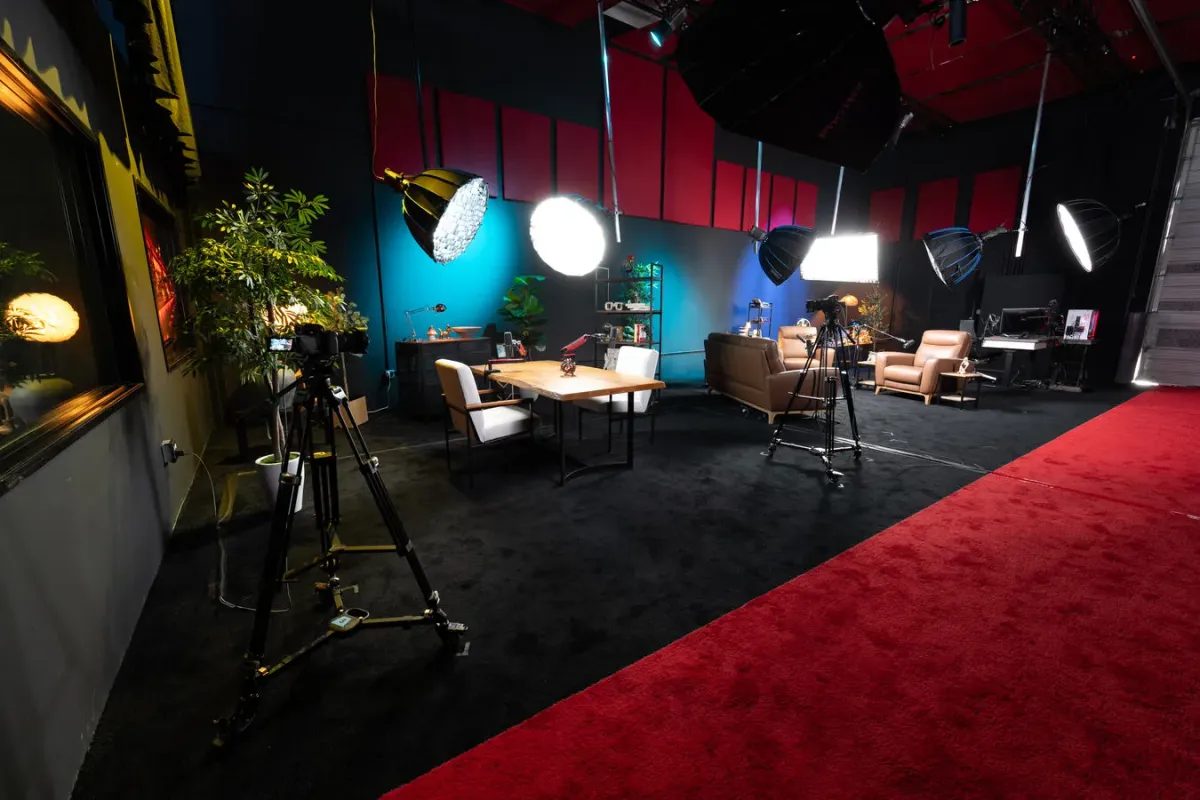
A professional podcast studio is a different world built for voices - cameras roll in crisp 4K clarity, each angle locked on steady mounts, and the audio cuts clean through mics tuned to catch every breath without echo. Walls block outside noise like barriers against distraction, glowing panels shift color to match your mood or brand, and skilled people run the switches, knobs, and lights. Quality jumps forward when the tools are sharp, and by 2026 blurry frames and muddy speech feel outdated. You can find the full pricing details on another page.
STEP 4: FIND A PROFESSIONAL RECORDING SPACE
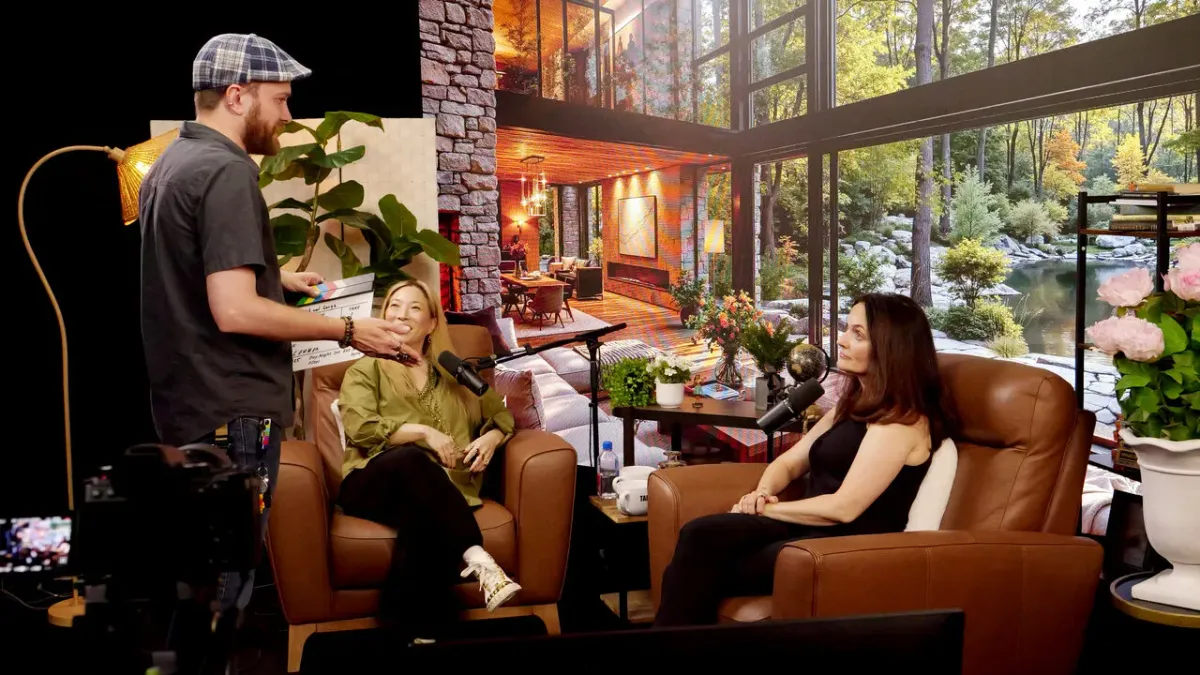
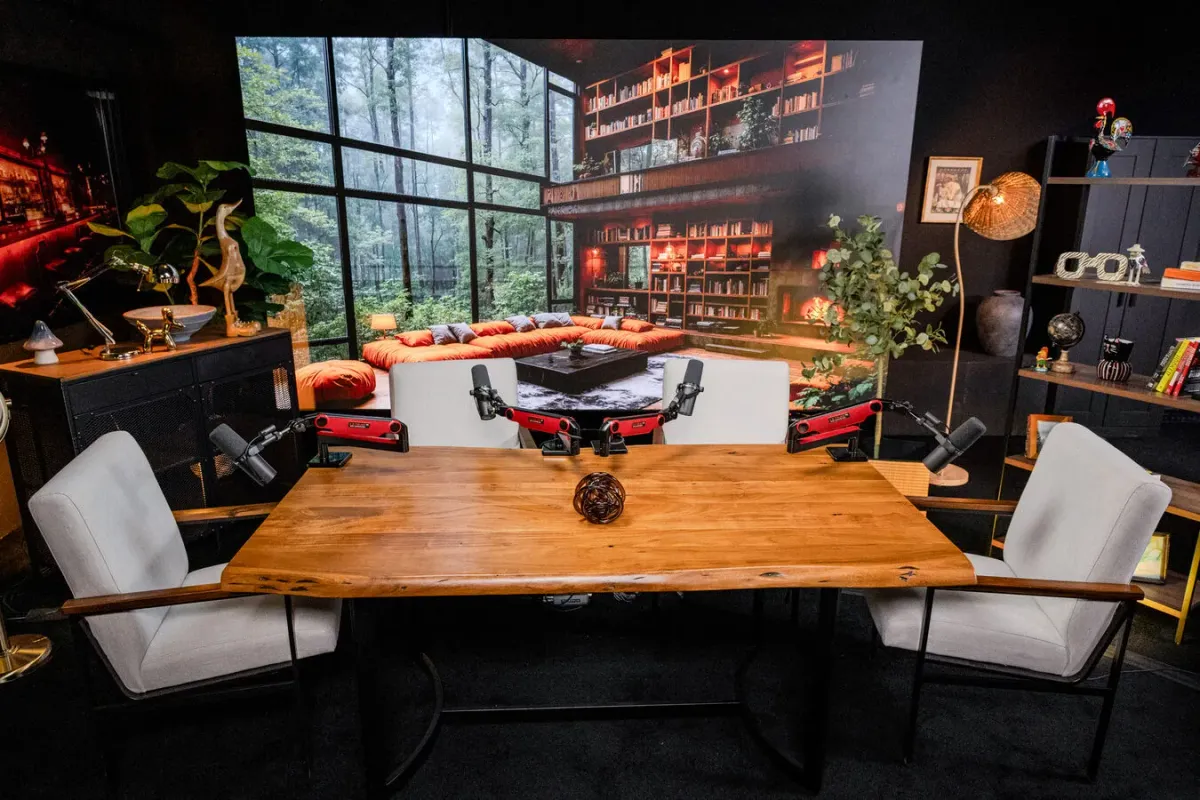
Recording in a professional studio makes sense when quality matters most. A place with several cameras running at once can capture more depth, good mics matter just as much as the skilled people handling sound, and rooms built to block noise help keep things clean. Some spaces include digital backdrops lit by LEDs for visual flexibility, and teams working onsite often smooth out the entire process.
Inside Sin City Podcast Studios sit three custom spaces - Studio 5, The Roundtable, and The Lounge - each shaped around a distinct kind of show. One flat fee covers it all, set with a custom quote. Step inside and begin speaking. Behind you, everything else clicks into place.
STEP 5: RECORD, EDIT, AND PUBLISH
The real enjoyment kicks in when it is time to record. Come ready with your episode plan so you can stay sharp while the crew manages the lights, sound, and camera work. Instead of worrying about tech, put your energy into speaking clearly and naturally. Once filming wraps, the raw footage sits unpolished until editing begins. Software such as Audacity or GarageBand works fine if you prefer handling edits alone; for smoother results, some choose outside help - a hired editor or a studio skilled in post-production services.
After finishing the edit, pick a host - Buzzsprout, Libsyn, or Spotify for Podcasters - and load your episode there. Craft a sharp title along with a clear summary, toss in some show notes, then hit publish. Spread the word where listeners already gather: social platforms, email circles, and any spot that feels natural. Once your first episodes are live, the harder work begins - our guide to growing your podcast audience covers the tactics that actually compound over time.
READY TO START YOUR PODCAST?
Book a free tour at Sin City Podcast Studios and see our three professional studios in person. We will help you choose the right setup for your content.
BOOK YOUR FREE TOUR